
More


Air source heat pumps are becoming a standard part of both new-build and retrofit projects, yet many specifications still treat the water side of a heat pump system much like a traditional boiler installation: clean the system, add inhibitor and commission.
The fundamentals remain the same - clean, protect and maintain - but heat pump systems introduce additional considerations that a specification should address from the outset. Lower operating temperatures, tighter heat exchanger tolerances and, in some applications, the use of glycol all influence how water treatment should be specified.
BS 7593 recognises these additional considerations by covering both air source and ground source heat pump systems alongside traditional wet central heating installations. For consultants and design teams, that means moving beyond a boiler specification and ensuring water treatment reflects the operating conditions of the system being installed.
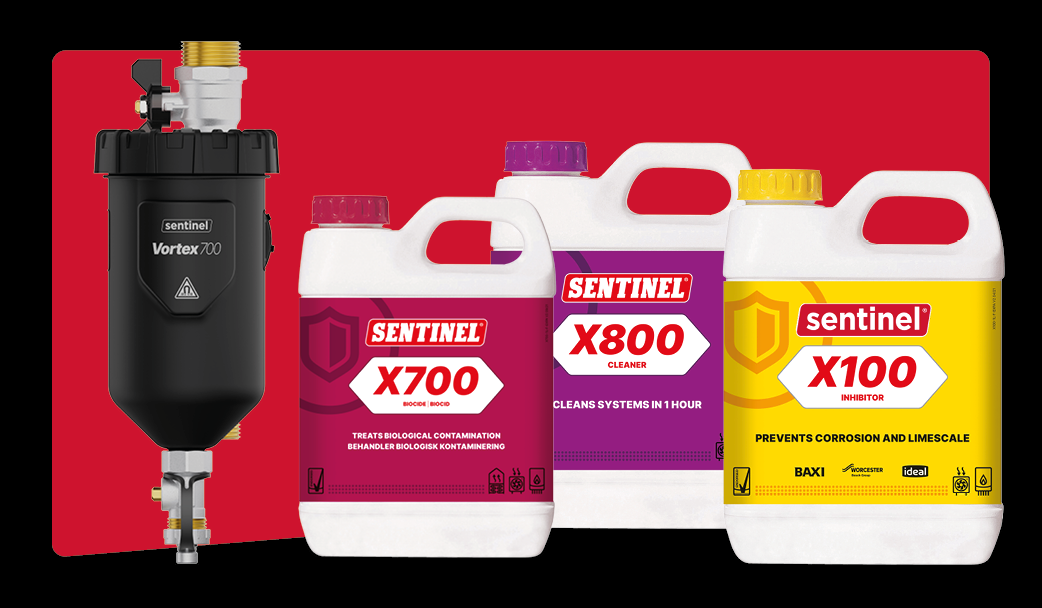
The objective of water treatment remains unchanged: protect system efficiency, prevent corrosion and minimise future maintenance.
However, several characteristics make water quality particularly important in heat pump systems.
Air source heat pumps typically operate with flow temperatures of around 35°C to 55°C, which are generally lower than those used by conventional gas boiler systems. These lower operating temperatures improve energy efficiency but also create conditions that can encourage microbiological growth within the closed heating circuit.
These lower temperatures improve energy efficiency but also create conditions that can encourage microbiological growth within the closed heating circuit. Heat pump systems should therefore be treated with an appropriate biocide. Microbiological growth can lead to biofilm formation and biological corrosion, which may occur even where corrosion inhibitor is present. Using a suitable biocide alongside inhibitor helps protect the system against this additional risk, in line with BS 7593 and manufacturer guidance.
Perhaps the biggest difference is the heat exchanger itself.
Heat pumps rely on maintaining consistent water flow through compact plate heat exchangers with relatively narrow waterways. Even small amounts of corrosion debris or suspended particulate can affect flow rates, reducing heat transfer and ultimately system performance.
For that reason, maintaining clean system water isn’t simply good practice, it’s fundamental to achieving the efficiency the heat pump was designed to deliver.
Many air source heat pump installations incorporate glycol to provide freeze protection, particularly where external pipework is present. In these systems, an inhibited glycol should be specified so that both frost protection and corrosion protection are provided as part of a single treatment solution.
Heat pumps don’t generate high-temperature bursts of heat in the same way as conventional boilers.
Instead, they typically operate for longer periods at lower temperatures, relying on steady heat transfer and consistent circulation to achieve their designed Coefficient of Performance (COP).
Anything that restricts water flow or insulates heat transfer surfaces, whether magnetite, installation debris or limescale, can reduce overall system efficiency.
Maintaining clean, well-conditioned system water helps preserve heat pump efficiency by supporting consistent heat transfer and water flow throughout the life of the installation.
Protecting water quality isn’t simply about avoiding breakdowns, it’s about preserving the efficiency that makes heat pumps attractive in the first place.
BS 7593 applies to both boiler and heat pump systems and continues to follow the same core principles:
For low-temperature heating systems, the standard also introduces additional considerations around microbiological control where appropriate, together with compatibility between water treatment products and glycol where glycol forms part of the system.
These requirements reflect the evolution of modern heating systems rather than replacing the established principles of good water treatment.
Sentinel contributed to the development of BS 7593 through its involvement with both HHIC and BEAMA, helping shape industry guidance as heating technologies continue to evolve.
A well-written specification should identify the required water treatment measures rather than leaving decisions to be made on site.
The following areas should normally be addressed.
Specification requirement | Why it matters |
Pre-commissioning cleaning | Removes installation debris and existing contamination before operation. |
Appropriate filtration | Protects sensitive heat exchangers by capturing magnetic and non-magnetic debris. |
Compatible corrosion inhibitor | Provides long-term protection while remaining compatible with any glycol present. |
Appropriate biocide treatment | Helps prevent microbiological growth, biofilm formation and biological corrosion in heat pump systems. |
For retrofit projects connecting a heat pump to existing radiators and pipework, the specification should also identify the appropriate cleaning method. Where significant legacy contamination is anticipated, specifying a power flush rather than leaving the decision to site interpretation can help establish a cleaner starting point before commissioning.
Once these requirements are defined, implementation follows a logical sequence:
Sentinel’s Air Source Heat Pump Install & Protect Pack has been developed around this same sequence, bringing together cleaning chemicals, inhibitor, biocide and ASHP-appropriate filtration into a single coordinated solution. Rather than selecting products individually, it provides a straightforward way of implementing recognised best practice for heat pump water treatment.
Does BS 7593 apply to air source heat pumps?
Yes. BS 7593 explicitly applies to both air source and ground source heat pump systems as well as conventional wet heating systems.
Why are heat pumps more sensitive to water quality?
Heat pumps depend on maintaining consistent water flow through compact heat exchangers. Debris, corrosion products and limescale can reduce flow and heat transfer, affecting both efficiency and long-term performance.
Do all heat pump systems need biocide?
Yes. Heat pump systems should be treated with an appropriate biocide to help prevent microbiological growth, biofilm formation and biological corrosion. This complements corrosion inhibitor, as inhibitor alone does not protect against biological growth.
Do heat pump systems using glycol require inhibited glycol?
Yes. Where glycol is incorporated into the heating system, compatible inhibitors and water treatment products should be specified.
Air source heat pumps don’t require a completely different approach to water treatment, but they do require water treatment specifications that reflect their operating conditions rather than simply repeating boiler-era guidance.
By identifying cleaning, filtration, inhibitor compatibility and microbiological control at specification stage, consultants can help protect system efficiency, support manufacturer requirements and reduce the likelihood of avoidable performance issues after handover.

