
More


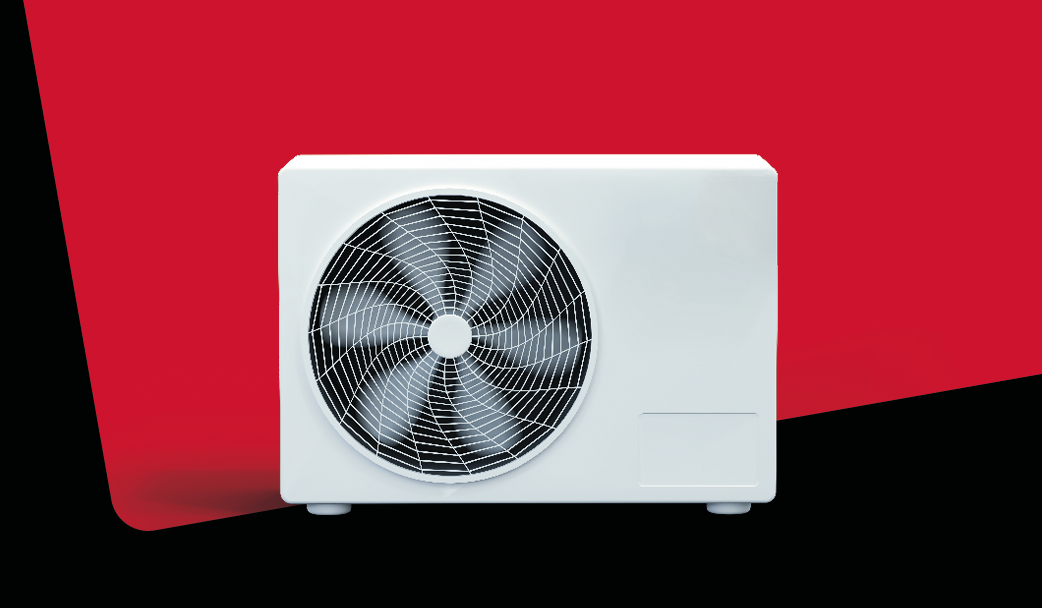
Installing a heat pump changes more than the heat source.
There are different operating conditions to consider, different system components and, often, an existing heating circuit that was designed and installed long before the heat pump arrived.
For heating engineers, that means getting to grips with flow temperatures, emitters, controls, sizing, commissioning and manufacturer requirements. With so much attention focused on the equipment itself, it can be easy to treat system water as something that simply follows the same rules as a boiler installation.
The fundamentals of good water treatment remain the same: Clean. Protect. Maintain.
A heat pump may be connected to existing pipework and emitters with years of system history behind them. Debris, corrosion products and microbiological contamination may already be present, while the operating conditions and requirements of the new system can introduce different considerations around filtration and protection.
These problems aren’t necessarily obvious at commissioning. They can develop or circulate within the system over time, which is why water treatment needs to be considered as part of the installation from the outset – not once a performance problem appears.
BS 7593 provides a recognised code of practice for the preparation, commissioning and maintenance of domestic central heating and cooling water systems. The requirements of the heat pump manufacturer should also be followed for the particular system being installed.
So, what needs to be considered when moving from a boiler to a heat pump?
A heat pump installation doesn’t necessarily mean a completely new heating system.
Many installations retain existing radiators, pipework or other components. Their condition, and their water-treatment history, matters.
If the existing system contains corrosion debris, sludge, scale or remnants of previous chemical treatments, installing a new heat pump doesn’t remove them.
Before new equipment is connected, establish what you’re working with. How old is the system? What is its treatment history? Has antifreeze or another treatment previously been used? Are there signs of contamination or poor circulation?
The answers should inform how the system is prepared. Where cleaning is required, the method and product should be selected according to the condition of the system and the equipment manufacturer’s requirements.
Sentinel X800 Fast Acting Cleaner is designed to remove corrosion deposits and limescale from heating systems and can be used as part of system preparation where appropriate.
Magnetite is a familiar problem in heating systems, but it isn’t the only material that can circulate in system water.
Non-magnetic debris can also be present.
That means filter selection deserves proper consideration rather than automatically fitting the same type of filter used on every installation.
The Sentinel Vortex700 has been designed for air source heat pump systems and provides both magnetic and non-magnetic debris capture.
Four neodymium magnets capture magnetic debris, while an 800-micron mesh filters 100% of the system flow for non-magnetic material. Its large filter chamber and high flow capability have also been designed with heat pump applications in mind.
Changing the heat source doesn’t remove the risk of corrosion.
A heating system can contain a combination of metals across its pipework, emitters and components, so the inhibitor used needs to be suitable for the system as a whole.
Sentinel X100 Inhibitor provides long-term protection against corrosion and limescale and is suitable for system metals commonly found in heating systems.
Correct dosing at commissioning is important, but protection shouldn’t then simply be assumed for the rest of the system’s life.
That’s why inhibitor levels should be checked as part of ongoing system maintenance.
Low-temperature heating systems also make microbiological protection an important part of the water-treatment conversation.
Bacteria and other microorganisms can contribute to deposits and contamination within system water, potentially affecting circulation and system performance.
Sentinel X700 Biocide is designed to help prevent biological contamination in low-temperature heating systems and is compatible with X100 Inhibitor.
The need for microbiological protection should be assessed as part of the overall water-treatment approach, taking account of the system design and the heat pump manufacturer’s requirements.
It shouldn’t be considered separately from cleaning and corrosion protection. The aim is to establish the right combination of treatment for the complete system.
Some heat pump installations also require specific consideration of frost protection, but frost protection isn’t simply a case of adding antifreeze to every heat pump system.
Requirements vary according to the equipment, system design, location and manufacturer’s instructions.
If antifreeze or another thermal fluid is already present, establish what it is before adding other treatment products and confirm that they are compatible.
We’ve covered the subject in more detail here:
How to Reduce Winter Heating Call-Backs: Getting Frost Protection Right
Before completing a heat pump installation, look at the whole system rather than focusing only on the new appliance.
1. Establish the system history
Find out what you’re connecting to, its age, previous treatment and whether any antifreeze or other treatment chemicals are already present.
2. Assess system condition
Look for evidence of sludge, corrosion deposits, scale, poor circulation or other contamination.
3. Clean appropriately
Select a cleaning method suited to the condition of the system and follow the relevant product and equipment manufacturers’ instructions.
4. Select filtration for the application
Consider magnetic and non-magnetic debris, alongside the flow requirements of the system.
5. Protect against corrosion and scale
Use an appropriate inhibitor at the correct dose and make sure it is suitable for the complete system.
6. Consider microbiological protection
Assess the need for biocide protection as part of the wider water-treatment approach for the low-temperature system.
7. Check manufacturer requirements
Installation, water-quality and warranty requirements can differ between heat pumps. Check the requirements for the unit being installed rather than assuming they are the same as the previous job.
8. Test and record
Check protection during servicing and keep a record of the water-treatment work carried out.
Does a heat pump need water treatment?
Yes. Good water quality remains important when installing and maintaining a heat pump system. The system should be appropriately cleaned and protected, with ongoing checks carried out in line with the equipment and water-treatment manufacturers’ instructions.
Do heat pump systems need biocide?
Microbiological contamination needs to be considered in low-temperature heating systems. Whether and how a system should be treated will depend on the installation
and manufacturer requirements. Sentinel X700 Biocide is designed to help prevent biological contamination in low-temperature heating systems.
Can you use a standard magnetic filter with a heat pump?
Filter selection should be based on the requirements of the complete system. Magnetic debris isn’t the only material that can circulate in system water, so non-magnetic debris
and system flow requirements should also be considered.
Does a heat pump still need inhibitor?
Corrosion and scale protection remain important. Use an inhibitor suitable for the system and follow the relevant manufacturers’ instructions for dosing and compatibility.
Should inhibitor be tested after commissioning?
Yes. Protection shouldn’t be assumed simply because inhibitor was added when the system was installed. Water loss, topping up and subsequent work on the system can
affect treatment levels over time.
The individual products matter, but so does how they work as part of the overall water-treatment approach.
For air source heat pump installations, Sentinel’s Air Source Heat Pump Install & Protect Pack brings together the installation and system-protection components in one pack.
Alongside the hoses, isolation valves, anti-freeze valves and insulation required for installation, the protection side of the pack includes:
X800 Fast Acting Cleaner to clean the system before protection.
X100 Inhibitor to provide long-term corrosion and limescale protect
X700 Biocide to help protect against biological contamination.
Vortex700 to capture both magnetic and non-magnetic system debris.
It provides a practical way to build water treatment into the installation process rather than treating it as something to think about once the heat pump is already in place.
Moving from boilers into heat pumps doesn’t mean leaving established water-treatment principles behind. It means applying them to a different system.
Because the heat source may have changed, but the importance of what’s circulating through the system hasn’t.
Explore the Sentinel Air Source Heat Pump Install & Protect Pack, X100 Inhibitor, X700 Biocide, X800 Fast Acting Cleaner and Vortex700 for more on protecting heat pump systems from installation onwards.

