
More


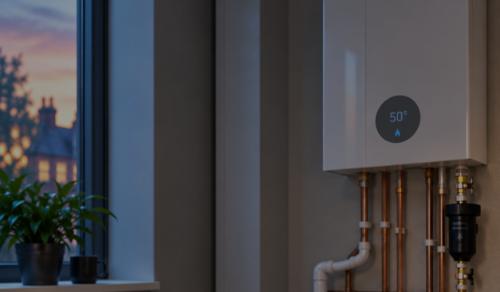
The first proper cold snap of the year often brings a familiar increase in heating callouts. Customers report radiators that won’t heat up, boilers making unusual noises and heating systems struggling to keep up with demand. With the pressure on to get heating and hot water restored quickly, it’s understandable that attention often turns straight to the boiler.
However, not every winter heating problem is caused by a faulty boiler component. In some cases, the underlying issue lies elsewhere in the heating system, particularly where poor water quality, corrosion or accumulated sludge is affecting circulation and performance.
Before replacing parts or condemning the boiler, it’s worth carrying out a few straightforward checks to establish whether the condition of the system water could be contributing to the problem.
During late summer and early autumn, many heating systems operate for shorter periods and under relatively low demand. Partial blockages, restricted circulation and other developing problems may therefore go unnoticed, particularly if the system is still providing sufficient heat.
When outdoor temperatures fall and heating demand increases, those same systems are required to work harder and for longer periods. Problems that were previously difficult to detect can become much more apparent, whether that’s a radiator failing to heat evenly, unusual boiler noises or poor circulation around the system.
The colder weather hasn’t necessarily caused these issues, but it can expose problems that have been developing over time. Sludge, corrosion debris, limescale and inadequate inhibitor protection can all contribute to reduced heating performance and increased stress on system components.
For heating engineers, checking water quality early in the diagnostic process can help identify potential causes before unnecessary repairs or component replacements are carried out.
1. Check the condition of the system water
One of the simplest starting points is to take a water sample from a suitable point in the heating system, such as a radiator or filter drain. The appearance of the water can provide useful information about the system’s condition, although it shouldn’t be relied upon as a definitive diagnosis.
Clear or lightly tinted water is generally a positive sign, but it doesn’t necessarily mean the system has sufficient corrosion protection. Black or dark grey water may indicate the presence of magnetite and other corrosion debris, while orange or brown discolouration can suggest rust. Cloudiness may have several causes, including suspended debris or microbiological contamination.
If the water appears contaminated, further investigation will help determine the most appropriate cleaning and treatment approach. Identifying the type and extent of contamination is important, particularly where the system has been experiencing repeated performance problems.
2. Test the system water and inhibitor concentration
A heating system can contain apparently clean water while still having inadequate corrosion protection. The appearance of the water alone won’t tell you whether inhibitor levels are sufficient or whether other water-quality issues need attention, which is why testing should form part of routine diagnostic checks.
Sentinel InstaCheck combines physical water testing with a digital app to help heating engineers assess system water quality quickly and effectively. Using the accompanying InstaCheck Test Kits, engineers can check for corrosion indicators through dissolved copper, measure pH levels and test inhibitor concentration.
The app provides step-by-step guidance and recommendations based on the test results, helping engineers identify potential problems and decide what action may be required. It can also be used without an internet connection, making it practical for engineers working in properties with limited connectivity.
Once testing is complete, InstaCheck generates a PDF water-quality report that can be shared with the customer or other relevant contacts. This provides a useful record of the system’s condition and the checks carried out, particularly where further cleaning or treatment has been recommended.
InstaCheck supports water-quality testing and record-keeping in line with relevant BS 7593 guidance and applicable Part L requirements.
3. Inspect the magnetic filter
A magnetic filter can provide useful evidence of what’s circulating through the heating system, particularly if it hasn’t been serviced for some time. Significant quantities of magnetite or other debris may indicate that corrosion products have been accumulating within the circuit.
During a callout, check whether a filter is installed, when it was last cleaned and how much debris has collected. The filter should be serviced in accordance with the manufacturer’s instructions, with further investigation carried out where unusually high levels of contamination are found.
If the system doesn’t have a suitable filter, it may be worth discussing the benefits of installing one as part of an ongoing protection strategy. Effective filtration helps capture circulating debris before it reaches vulnerable components such as pumps and heat exchangers, although it doesn’t replace the need for appropriate cleaning and chemical treatment.
4. Look for uneven radiator temperatures
Radiators can provide useful clues about circulation problems, particularly when some areas remain cold while others heat normally. A radiator that’s warm at the top but cold at the bottom may contain accumulated sludge, while a radiator that’s cold at the top could have trapped air or gas.
Where one or two radiators heat much more slowly than the rest, restricted circulation may be caused by a partial blockage, valve issue or system balancing problem. These symptoms aren’t exclusive to water -quality faults, so they should be considered alongside the other diagnostic checks.
If air or gas repeatedly accumulates after venting, further investigation may be needed to establish whether corrosion or another system issue is contributing to the problem.
5. Pay attention to unusual boiler noises
Kettling, banging and rumbling noises can sometimes be associated with restricted circulation, scale deposits or localised overheating within the heat exchanger. Where water isn’t circulating effectively, certain components may be exposed to operating conditions that affect performance and reliability.
However, unusual noises can have several causes, and water quality shouldn’t automatically be assumed to be responsible. Engineers should follow the boiler manufacturer’s diagnostic procedures while also checking whether contamination or restricted flow elsewhere in the heating system could be contributing to the symptoms.
6. Ask about repeated pressure loss
It’s worth asking customers whether they’ve needed to top up the heating system pressure regularly, as this information isn’t always volunteered during a callout. Repeated pressure loss may indicate a leak, an expansion vessel problem or another fault that requires investigation.
Frequent topping up can also introduce fresh water into the system, increasing oxygen exposure and potentially diluting the existing inhibitor concentration. Over time, this can affect the system’s level of corrosion protection.
Rather than treating regular repressurisation as normal maintenance, the underlying cause should be identified and addressed.
If the initial checks suggest that contamination or inadequate water treatment is contributing to poor performance, the next step is to address the condition of the heating system rather than focusing solely on the affected component.
Sentinel’s Clean. Protect. Maintain. approach provides a straightforward framework for restoring and maintaining system water quality.
Clean: choose the right central heating cleaner
Where sludge, corrosion debris or other deposits are present, selecting an appropriate central heating cleaner is an important first step. Adding inhibitor to an already contaminated system won’t remove the deposits that have accumulated, so the system needs to be cleaned before fresh protection is applied.
Different systems may require different cleaning approaches depending on their age, condition and the type of contamination present.
Sentinel X800 Rapid Cleaner is designed for fast cleaning where deposits need to be removed, while Sentinel X400 High Performance Cleaner can help mobilise sludge and corrosion deposits in older systems.
Choosing the right central heating cleaner helps ensure that existing contamination is addressed before the system is flushed and treated. Engineers should follow the relevant product instructions and select the cleaning method according to the installatio n’s condition.
Once cleaning is complete, the system should be thoroughly flushed to remove loosened contamination.
Protect: establish the correct inhibitor concentration After cleaning and flushing, the system should be dosed with a suitable inhibitor at the correct concentration for its water volume.
Sentinel X100 Inhibitor helps protect heating systems against corrosion and limescale, reducing the risk of new deposits forming and contributing to long-term system performance.
Correct dosing is important, as inadequate treatment may leave the system insufficiently protected. The inhibitor concentration should be checked after dosing and the result recorded for future reference.
Water treatment shouldn’t be treated as a one -off task completed at installation. Ongoing maintenance helps identify changes in system condition before they develop into more significant problems.
A suitable Sentinel Eliminator Vortex filter can help capture circulating debris, while regular inspection and cleaning of the filter provide an opportunity to monitor contamination levels.
Maintain: keep protection under review
Water quality and inhibitor concentration should also be checked as part of routine maintenance, particularly where the system has a history of corrosion, sludge accumulation or repeated topping up. Sentinel InstaCheck provides a practical way to carry out these checks and create a digital record of the results, helping engineers demonstrate the condition of the system and identify where further treatment may be required.
When a pump, valve or heat exchanger fails, replacing the affected component may restore operation in the short term. However, if the system contains significant amounts of corrosion debris or other contamination, the replacement component could be exposed to the same conditions that contributed to the original fault.
This is particularly important when installing a new boiler onto an existing heating system. The condition of the existing pipework, radiators and system water needs to be considered before new equipment is connected.
Boiler manufacturers may require evidence that the heating system has been cleaned and treated in accordance with their installation instructions. Poor water quality can also affect warranty claims where it has contributed to component failure.
BS 7593 provides guidance on cleaning, treating and maintaining domestic wet central heating systems, while installers must also follow applicable Building Regulations and the equipment manufacturer’s requirements.
Taking the time to investigate the condition of the wider heating system can therefore help protect both the new equipment and the quality of the installation.
Winter is a particularly demanding time for heating engineers, with customers relying on their systems to perform when temperatures are at their lowest. While getting the heating running again is the immediate priority, identifying the underlying cause of a fault can make a significant difference to long-term reliability.
A few additional checks of the system water, inhibitor concentration, filtration and circulation may reveal problems that would otherwise be overlooked. Addressing those issues properly can help reduce the risk of repeat failures and give customers greater confidence in the work carried out.
By taking a Clean. Protect. Maintain. approach, engineers can help ensure that heating systems aren’t simply repaired for the day, but are better protected for the demands of the heating season ahead.
Heating engineers can use Sentinel InstaCheck with the accompanying test kits to assess dissolved copper, pH and inhibitor concentration. The app provides guidance based on the results and generates a PDF report that can be shared with the customer or retained as a record of the system’s condition.
Clean heating system water is generally clear or lightly tinted, depending on the treatment used. Black or dark grey water can indicate magnetite and other corrosion debris, while orange or brown discolouration may suggest rust. However, water colour alone cannot confirm whether a system is clean or adequately protected.
Sludge accumulation is one possible cause of radiators remaining cold at the bottom, as deposits can restrict circulation through parts of the radiator. Other potential causes should also be investigated before deciding on the appropriate cleaning or repair method.
Existing heating systems should be assessed, cleaned and treated as appropriate before new equipment is commissioned. Installers should follow applicable regulations, relevant BS 7593 guidance and the boiler manufacturer’s installation instructions to ensure the new boiler is connected to a suitably prepared system.

